
Whether you need a visitor visa, an electronic travel authorization (eTA) or neither depends on your citizenship and on how you travel. A visitor visa, formally a temporary resident visa (TRV), is decided by an officer who must be satisfied that you will leave Canada at the end of your stay. Law Wise, based in Mississauga, prepares visitor visa, super visa and extension applications for visitors and for the families who invite them.
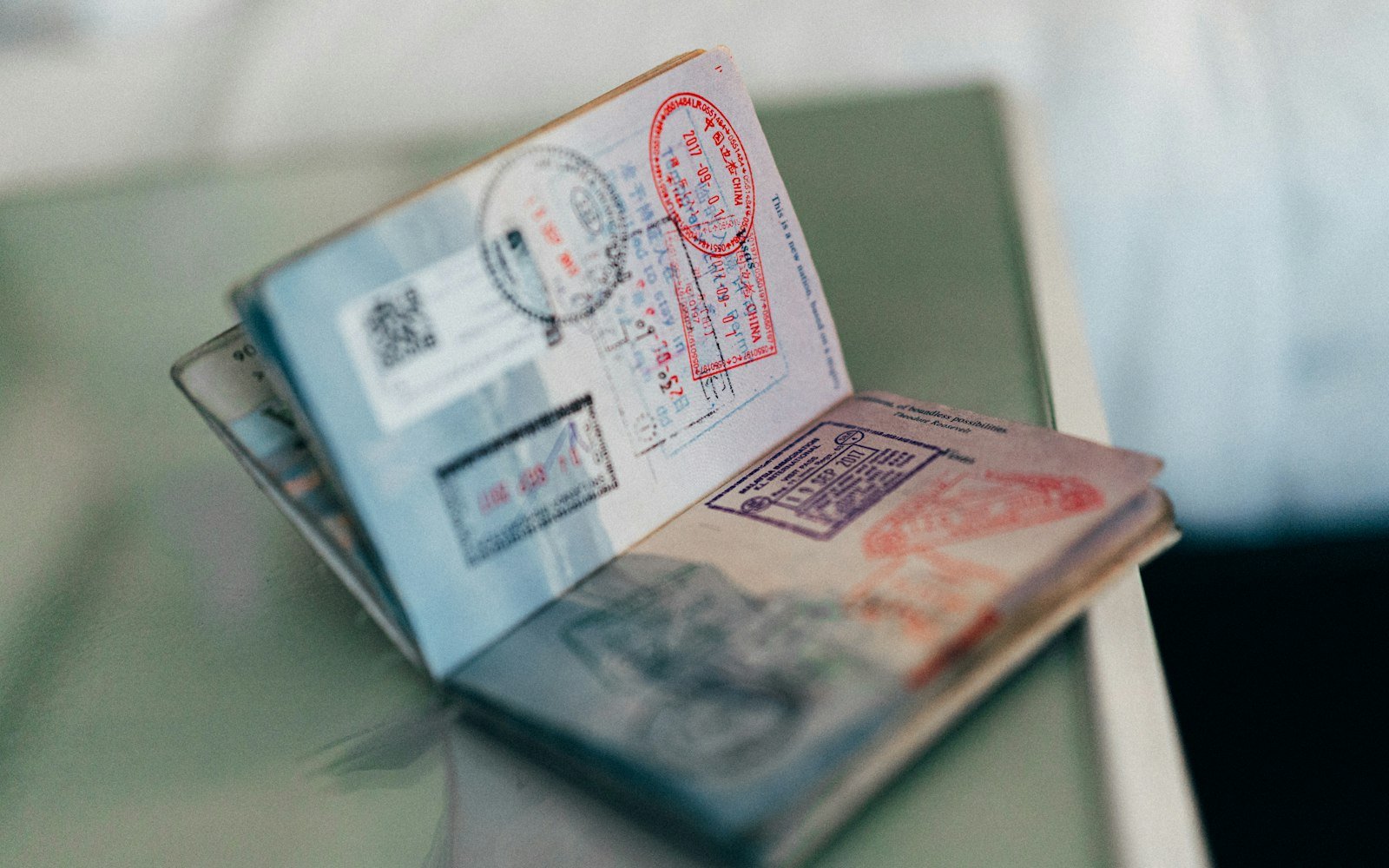
Visitor visa or eTA: which do you need?
On the pages of Immigration, Refugees and Citizenship Canada (IRCC), last modified in August and September 2026:
- Visa-required travellers need a visitor visa, an official document placed in the passport that shows the holder meets the requirements to travel to Canada.
- Visa-exempt travellers flying to Canada need an eTA and a valid passport. An eTA costs CAN$7 and is applied for online. In most cases it is not needed when arriving by land or sea.
- Citizens of some visa-required countries may be able to apply for an eTA in place of a visa when they travel by air. They still need a visitor visa to arrive by car, bus, train or boat.
- United States citizens do not need an eTA. They must carry proper identification, such as a valid U.S. passport.
- Lawful permanent residents of the United States do not need an eTA. They must show a valid passport from their country of nationality and a valid green card.
- Canadian permanent residents need a valid permanent resident card or a permanent resident travel document, not an eTA or a visa.
Visitor visa requirements
To visit Canada, you must:
- have a valid travel document, such as a passport
- be in good health
- have no criminal or immigration-related convictions
- convince an officer that you have ties, such as a job, a home, financial assets or family, that will take you back to your home country
- convince an officer that you will leave Canada at the end of your visit
- have enough money for your stay
The decision is the officer’s, so the application has to answer these points with documents: the purpose of the trip, who is paying, where you will stay, and what you are returning to. A letter of invitation from the person you are visiting can help explain the trip, but it does not guarantee a visa.
How long a visitor can stay

Unless an officer fixes a different period, a visitor’s authorized stay is six months. A visitor must leave Canada by the end of that period and must not work or study unless authorized.
To stay longer, you apply from inside Canada to extend your stay. If the extension is granted you receive a visitor record. A visitor record is not a visa. It does not let you return to Canada if you leave.
Business visitors
A business visitor comes to Canada for international business activities without directly entering the Canadian labour market. Under the regulations, that means the main source of payment for the activities is outside Canada, and the visitor’s principal place of business and the place where profits are earned remain mainly outside Canada. The regulations give these examples:
- buying Canadian goods or services for a foreign business or government, or receiving training on them
- giving or receiving training within the Canadian parent or subsidiary of a foreign employer
- selling goods for a foreign business or government, but not to the general public in Canada
Work that goes beyond these activities may need a work permit.
Super visa for parents and grandparents
A super visa lets a parent or grandparent visit a child or grandchild in Canada for up to five years at a time, with multiple entries over a period of up to 10 years. On IRCC’s page, last modified on 6 July 2026, the requirements were:
- the host is your child or grandchild, is a Canadian citizen, a permanent resident or a registered Indian, is at least 18 and lives in Canada
- the host meets or exceeds the minimum necessary income and signs a letter of invitation
- you have private health insurance, valid for at least one year from the date of entry, from a Canadian insurer or an approved insurer outside Canada
- you take an immigration medical examination
- you are outside Canada when you apply
For a visit of six months or less, a regular visitor visa is the right application. The Parents and Grandparents Program for permanent residence is paused at present: see family sponsorship.
Answer every question fully, including past refusals
Visitor visa forms ask about earlier applications and refusals for Canada and other countries. A person who misrepresents or withholds material facts can be found inadmissible to Canada for five years under section 40 of the Immigration and Refugee Protection Act, SC 2001, c 27, as it read on 10 October 2026. An honest application that explains a past refusal is far safer than one that leaves it out.
If a visitor visa is refused
There is no appeal tribunal for a refused visitor visa. The options are a new application that answers the officer’s concerns with better evidence, or an application to the Federal Court for leave and judicial review. The deadline to start in the Federal Court is 15 days for a decision made in Canada and 60 days for a decision made outside Canada. See immigration and refugee appeals.
How Law Wise helps visitors and their families
- confirming whether a visa, an eTA or a super visa is needed
- preparing the application and the supporting evidence of ties, funds and purpose
- drafting the letter of invitation with the host
- super visa applications, including the host’s income documents
- extensions of stay from inside Canada
- reviewing a refusal and advising on reapplication or judicial review
You are not required to use a representative, IRCC’s forms and guides are free, and no representative can promise an invitation or an approval. Your file is handled by a Law Wise lawyer licensed by the Law Society of Ontario. Service is available in English, Urdu, Punjabi and Hindi, and, if you retain the firm, fees are explained and confirmed in writing before work starts.
Common questions about visiting Canada
How long can I stay in Canada as a visitor?
Six months, unless the officer at the border fixes a different period. A super visa holder can stay up to five years at a time.
Can I work in Canada on a visitor visa?
No, not unless you are authorized to. Visitors must not work or study without authorization. Business visitors may carry out limited international business activities without entering the Canadian labour market.
Can I extend my stay?
You can apply from inside Canada to extend your stay. If it is approved you receive a visitor record, which is not a visa and cannot be used to re-enter Canada.
Do U.S. green card holders need a visa to visit Canada?
Lawful permanent residents of the United States do not need an eTA. They must show a valid passport from their country of nationality and a valid green card.
Does a letter of invitation guarantee a visa?
No. It helps explain the purpose of the visit and who will host you. The officer still decides whether you meet the requirements, including whether you will leave at the end of your stay.
My visitor visa was refused. Can I appeal?
There is no appeal to a tribunal. You can reapply with stronger evidence, or apply to the Federal Court for leave and judicial review within a short deadline.
Speak with an immigration lawyer about a visitor visa
Your first consultation is free for 15 minutes, by appointment. Call us or send a message, and have the traveller’s passport details and any refusal letter ready.
This page is general legal information, current as of 10 October 2026. Immigration programs and instructions change often, so confirm the current rules on the Immigration, Refugees and Citizenship Canada (IRCC) website. This page is not legal advice and does not create a lawyer-client relationship. For advice about your situation, please speak with a lawyer.